OTTO: Android 17 on a car box, integrated with a VW ID. Buzz
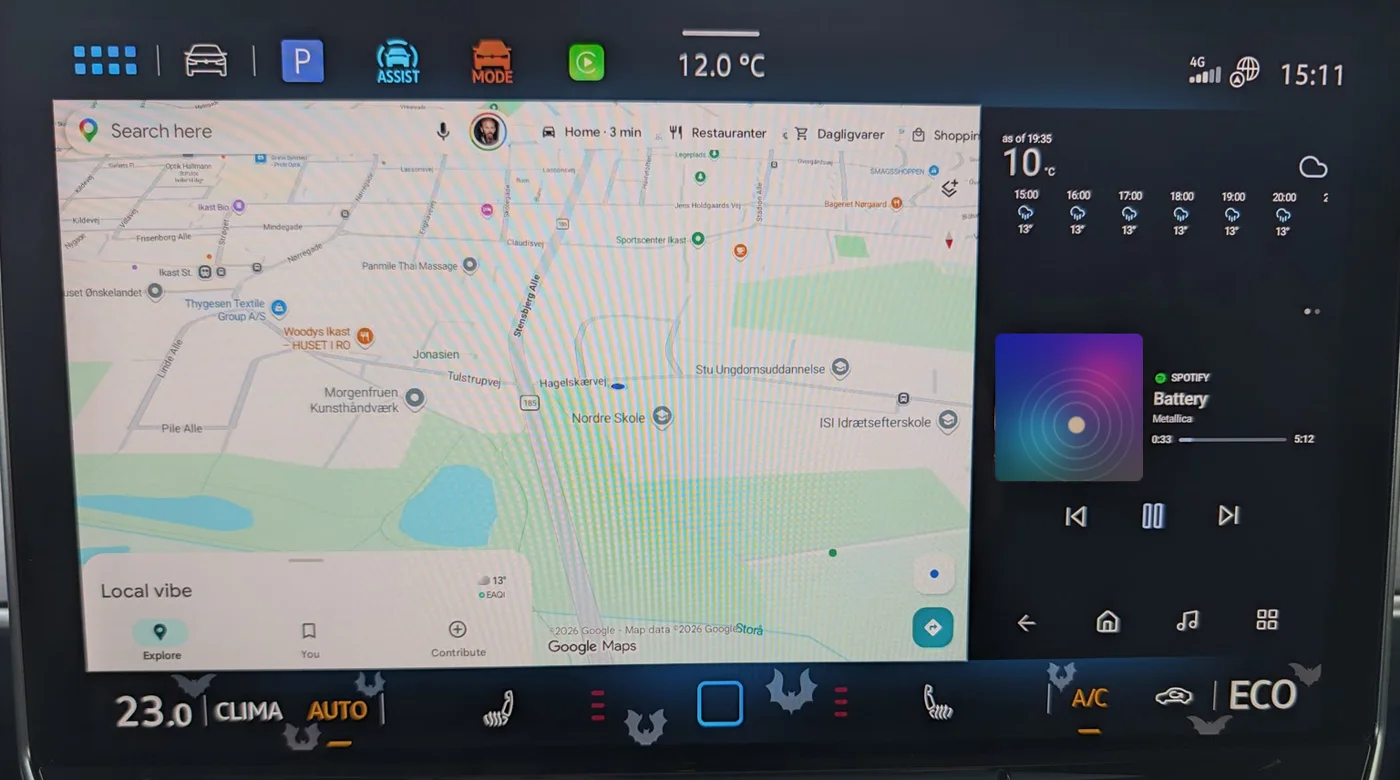
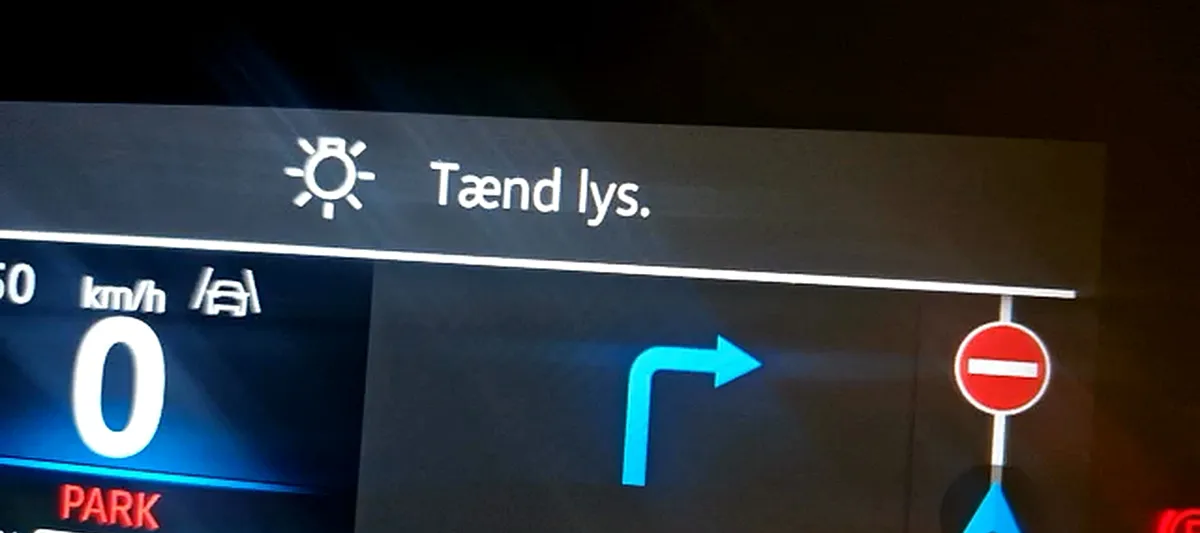
An Ottocast P3 Pro car box moved from its stock Android 13 to an Android 17 system image while keeping the original CarPlay chain. In the car it shows Google Maps as a home screen through a custom launcher, streams it to the car screen as CarPlay video and sends turn-by-turn arrows to the instrument cluster.
- My role
- Concept, system architecture, AI-assisted development, integration and testing.
- Platform
- Qualcomm SM6225 · Android 17
- Status
- Completed, running in the car
- Testing
- Completed bench testing and verified in-car integration.
- Custom flashing toolThe USB connection dropped at 130–260 MiB. I wrote a writer that streams 1 MiB per command, waits for acknowledgement and reads back to verify.
- Reproducible image buildsBuild scripts with exact file modes, owners and SELinux labels, verified byte by byte against the image.
- VerificationA 74-point post-boot check with SELinux enforcing and zero denials, plus an in-car acceptance plan.
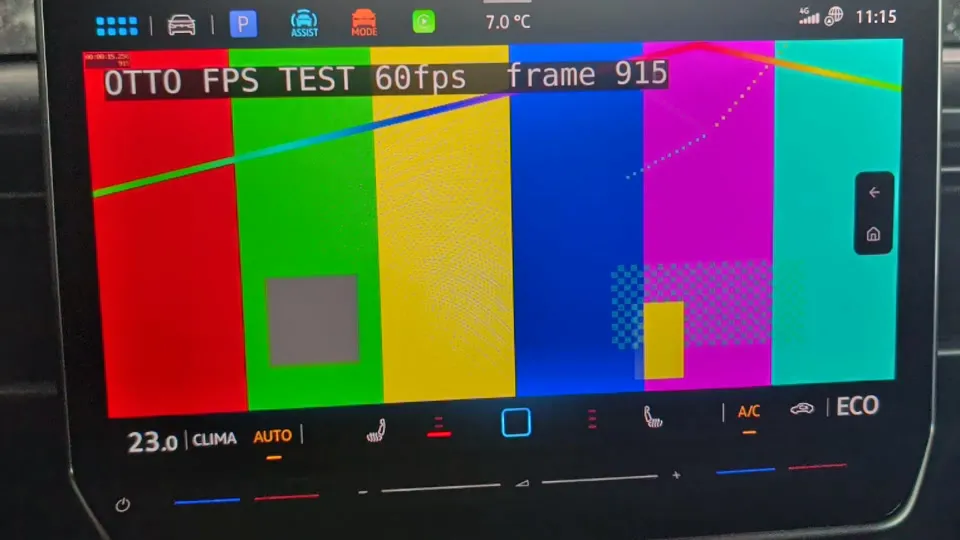
- Performance60 fps projection measured in the car with a dedicated test pattern.
- Recovery firstAn EDL rescue runbook and a fallback image. A failed OTA experiment is documented openly as an incident report.
- Shared with the communityA public build write-up with guides for others, with keys, firmware and private data kept out.
OTTO shows the low-level side of my work: debugging hardware that fails in unclear ways, writing my own tools when existing ones don’t hold up, and documenting what doesn’t work as carefully as what does.
Facing a difficult integration challenge?
OTTO demonstrates my approach to reverse engineering, technical problem-solving and connecting complex systems. Let's explore whether a similar approach could help your project.
Let’s build something useful.
Have an idea, a technical challenge or a project that needs an extra pair of hands? Let’s talk.